
Importance of fire extinguishers
Fire extinguishers are crucial for your safety in case of a fire. Having the right type of extinguisher can help you quickly put out a fire and prevent it from spreading. By understanding the different types of fire extinguishers and their uses, you can effectively protect your home or office from fire hazards.
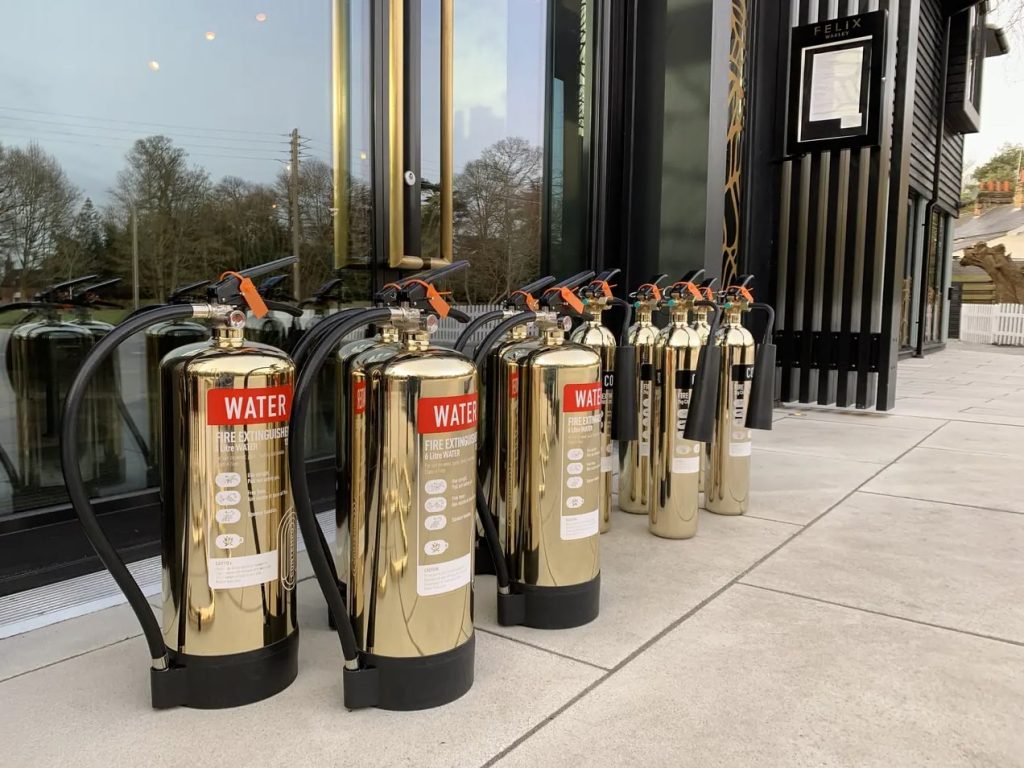
Types of fire extinguishers for homes
Fire extinguishers come in different types, made for various kinds of fires. It’s crucial to choose the right one for your home. Here are some common types:
- Water and Foam: Suitable for Class A fires, involving ordinary combustibles like wood and paper.
- Carbon Dioxide (CO2): Ideal for Class B and Class C fires, which involve flammable liquids and electrical equipment.
- Dry Chemical: Effective for Class A, B, and C fires, versatile for various situations.
- Multi-Purpose Dry Chemical: Combats Class A, B, and C fires, recommended for residential use.
- Kitchen Fire Extinguishers: Specialized for kitchen fires, which often involve grease and oils.
- Regular Maintenance: It’s crucial to have your extinguisher checked regularly to ensure it functions properly when needed.
Types of fire extinguishers for offices
In offices, different types of fire extinguishers are typically used to handle various kinds of fires. Here are a few common types:
- Water extinguishers: Suitable for Class A fires involving materials like wood, paper, and textiles.
- CO2 extinguishers: Effective for electrical fires (Class C) and can also be used for flammable liquid fires (Class B).
- Dry powder extinguishers: Versatile as they can tackle fires in Class A, B, and C categories.
- Foam extinguishers: Useful for Class A and B fires, especially those involving flammable liquids.
Remember to choose the right fire extinguisher for your office based on the potential fire risks you may encounter.
Understanding the classification system
In understanding the classification system for fire extinguishers, it is crucial to know that different types are designed to tackle specific types of fires. Here’s a basic breakdown:
- Class A extinguishers are for combustible materials like wood or paper.
- Class B extinguishers are for flammable liquids, such as oil or gasoline.
- Class C extinguishers are suitable for electrical fires.
- Class D extinguishers are used for combustible metals.
- Class K extinguishers are for kitchen fires, often found in commercial settings.
Knowing these classifications will help you choose the right type of fire extinguisher for your home or office to deal with different kinds of fire hazards effectively.
Differences between ABC, BC, and A fire extinguishers
ABC, BC, and A fire extinguishers are designed for different types of fires. ABC extinguishers are versatile and can be used on most fires, including those caused by wood, paper, flammable liquids, and electrical equipment. BC extinguishers are suitable for fires involving flammable liquids and gases, but not for electrical fires. A extinguishers are mainly for combustible materials like wood and paper. Make sure to choose the right type of fire extinguisher based on the potential fire risks in your home or office.
Which type of fire extinguisher to use for different fires
Using the right type of fire extinguisher for different fires is crucial for effective firefighting. Here are the common types of fire extinguishers and the fires they are suitable for:
- Water fire extinguishers: Ideal for Class A fires involving ordinary combustibles like wood, paper, and textiles.
- CO2 fire extinguishers: Effective for Class B and Class C fires, which involve flammable liquids and electrical equipment.
- Foam fire extinguishers: Suitable for Class A and Class B fires, providing a cooling effect on solid materials and creating a barrier on liquid fires.
- Powder fire extinguishers: Versatile and can be used on Class A, B, and C fires, but can create a mess and be corrosive.
- Wet chemical fire extinguishers: Specifically designed for Class K fires involving cooking oils and fats.
Remember, using the correct fire extinguisher can make a significant difference in controlling a fire quickly and safely.
Maintenance and inspection of fire extinguishers
Regular maintenance is crucial for ensuring that your fire extinguisher is ready for use in case of an emergency. Here are some key points to remember:
- Fire extinguishers should be visually inspected monthly for any signs of damage or wear.
- The pressure gauge should be checked to ensure it is in the optimal range.
- Have a professional service your extinguisher annually to perform a more thorough inspection.
- Make sure everyone in your home or office knows the location of fire extinguishers and how to use them properly in case of a fire.
Installation locations for fire extinguishers
Fire extinguishers should be easily accessible in case of an emergency, so it’s important to place them in visible and convenient locations. Here are some key areas where fire extinguishers should be installed:
- Kitchen: Install a fire extinguisher in a prominent location in the kitchen, as this is a common area where fires can break out.
- Garage: If you have a garage, make sure to have a fire extinguisher present, especially if it’s an area where flammable materials are stored.
- Near exits: Place a fire extinguisher near the main exits of your home or office for easy access during emergencies.
Remember, it’s essential to regularly check your fire extinguishers to ensure they are in good working condition.
Training in using fire extinguishers
When it comes to training in using fire extinguishers, it is crucial to understand the types of fire extinguishers available and how to operate them effectively. Here are some key points to keep in mind:
- Different types of fires require different types of fire extinguishers, such as water, foam, CO2, or dry powder extinguishers.
- Training in using fire extinguishers should include understanding the PASS technique: Pull the pin, Aim at the base of the fire, Squeeze the trigger, and Sweep from side to side.
- It is essential to know the location of fire extinguishers in your home or office and how to access them quickly in case of an emergency.
- Regular practice drills can help ensure that you and your family or colleagues are prepared to handle a fire situation effectively.
By familiarizing yourself with these basics and getting hands-on training, you can enhance your ability to respond to fires confidently and protect yourself and others from harm.
Conclusion and best practices
Remember, it’s crucial to have the right fire extinguisher for your home or office. Always check the extinguisher’s label to know what type of fires it can put out. Keep your extinguishers in accessible locations and ensure they are regularly inspected and maintained. If a fire does occur, remember to follow the PASS technique: Pull the pin, Aim the nozzle, Squeeze the handle, and Sweep from side to side at the base of the flames. Be proactive and stay safe!